 Available
Raised At Home In Small Numbers
Munchkin Kittens For Sale
Find Your Perfect Feline Companion Today!
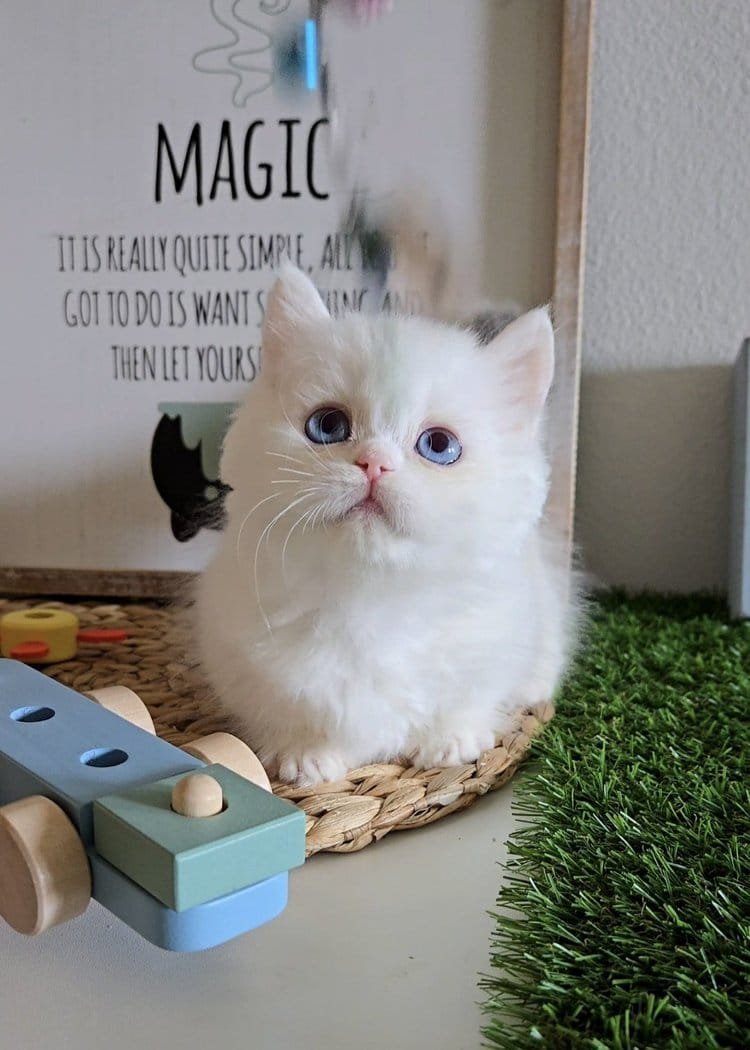
Short legs, long personalities. Munchkin kittens are compact, quick and endlessly curious, which is exactly why they have become one of the most sought-after breeds in the country. So we raise ours at home, and then place them with families who want a cat that follows them from room to room.
Every kitten leaves us TICA registered, vaccinated and vet-checked. So tell us about your household, and afterwards we will help you work out which of our kittens fits best.
 TICA Registered Cattery
Vaccinated & vet-checked
TICA Registered Cattery
Vaccinated & vet-checked
TICA Registered
Vaccinated & Vet-Checked
Shipping Across The US
Raised At Home
Our Cattery
Welcome to Munchkin Cat Cattery
If you are in search of a Munchkin cat for sale, you are in the right place. Because we raise only a small number of litters each year, every kitten gets real attention before it leaves us — handled daily, health-checked, and used to life in a busy household.
Health comes first here. Our kittens see our veterinarian regularly, stay current on vaccinations and deworming, and eat a diet built for growing cats. Above all, we breed selectively, so no kitten leaves before it is eating independently, litter-trained and steady on its feet.
Rather than living in cages, our munchkin kittens grow up underfoot: handled daily, used to household noise, and socialised with our other cats. As a result, they usually settle into a new home within days rather than weeks.
Our part does not end when your kitten arrives. Afterwards, we stay reachable for questions about feeding, grooming, litter habits and settling in, both in the first few weeks and for years to come.
So if you are ready to start, have a look at the kittens available now, or tell us about your household and we will point you towards the ones most likely to suit it.
Why Families Choose Us
What Makes Our Kittens Special?
Health and paperwork
Every kitten is examined by our veterinarian, vaccinated, dewormed and TICA registered before it travels.
Raised in the house
Handled daily from birth and socialised with our other cats, which is why they usually settle in within days rather than weeks.
Honest listings
The photographs on each kitten’s page are of that kitten, and sold kittens come off the site straight away.
Support afterwards
We stay reachable for questions about feeding, grooming and settling in, for as long as you need us.
The Breed
About the Munchkin Breed
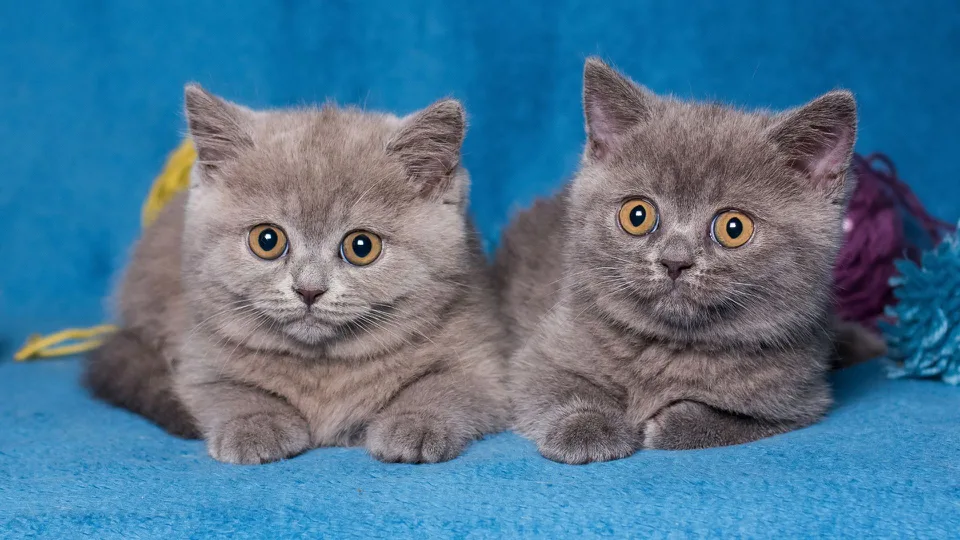
What is a Munchkin cat?
The Munchkin cat breed traces back to 1983, when a Louisiana music teacher named Sandra Hochenedel found two short-legged cats sheltering under a truck. She kept one of them, Blackberry, and roughly half of Blackberry’s kittens were born with the same short legs. Among them was a male called Toulouse, who became the foundation of the modern breed. Later, in September 1994, TICA accepted the Munchkin into its New Breed development programme, and by May 2003 the breed had reached full Championship status.
The short legs come from a spontaneous autosomal dominant mutation affecting the long bones. Because only one copy of the gene is needed, responsible breeders always pair a short-legged cat with a standard-legged one. Otherwise two short-legged parents produce embryos carrying two copies, and those are never viable. For that reason, the breed has to be bred deliberately and in small numbers rather than at volume.
Despite the legs, adults stay medium-sized: females usually 5–7 lb, males 7–10 lb. According to TICA, a cat’s spine is structurally different from a dog’s, so short legs do not cause the spinal problems seen in short-legged dog breeds. Furthermore, TICA links no debilitating genes to the breed. In practice, Munchkins run, climb and jump perfectly well, although they do take the scenic route onto the kitchen counter.
1983
Blackberry, the foundation cat, found in Louisiana
2003
Full TICA Championship status reached
5–10 lb
Typical adult weight: females 5–7 lb, males 7–10 lb
Available Now
Our Kittens
Our available Munchkin kittens for sale change constantly. Each one is listed with photographs, age, sex, price and a note on temperament, and then comes off the page as soon as it is reserved. So everything you see below is genuinely available. But if you want a particular colour or coat length and nothing listed matches, tell us, and we will let you know as soon as one is ready.

Also In Our Cattery
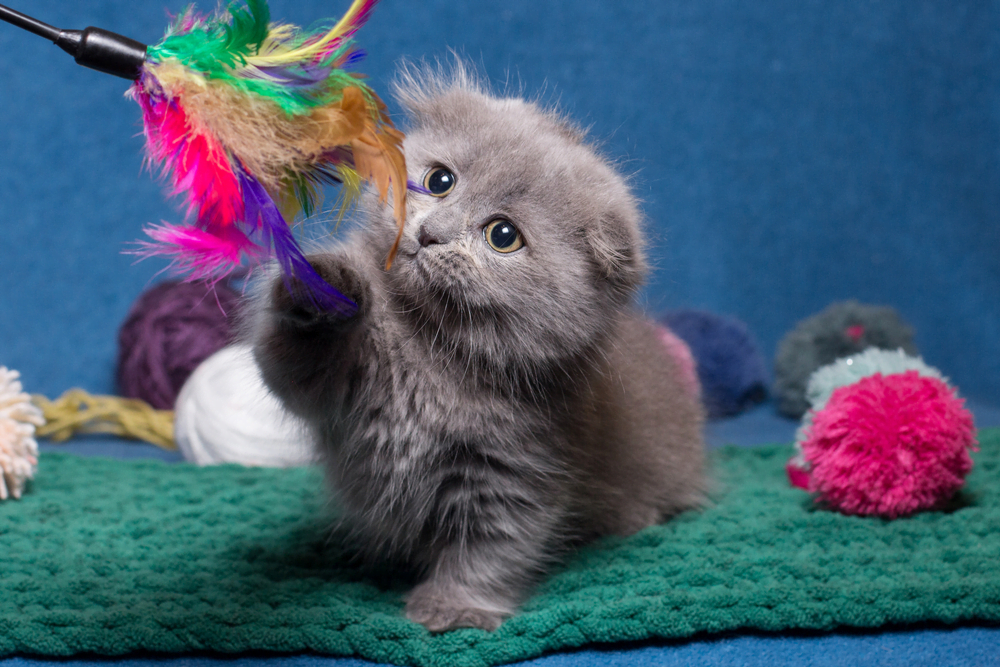
Scottish Fold Kittens
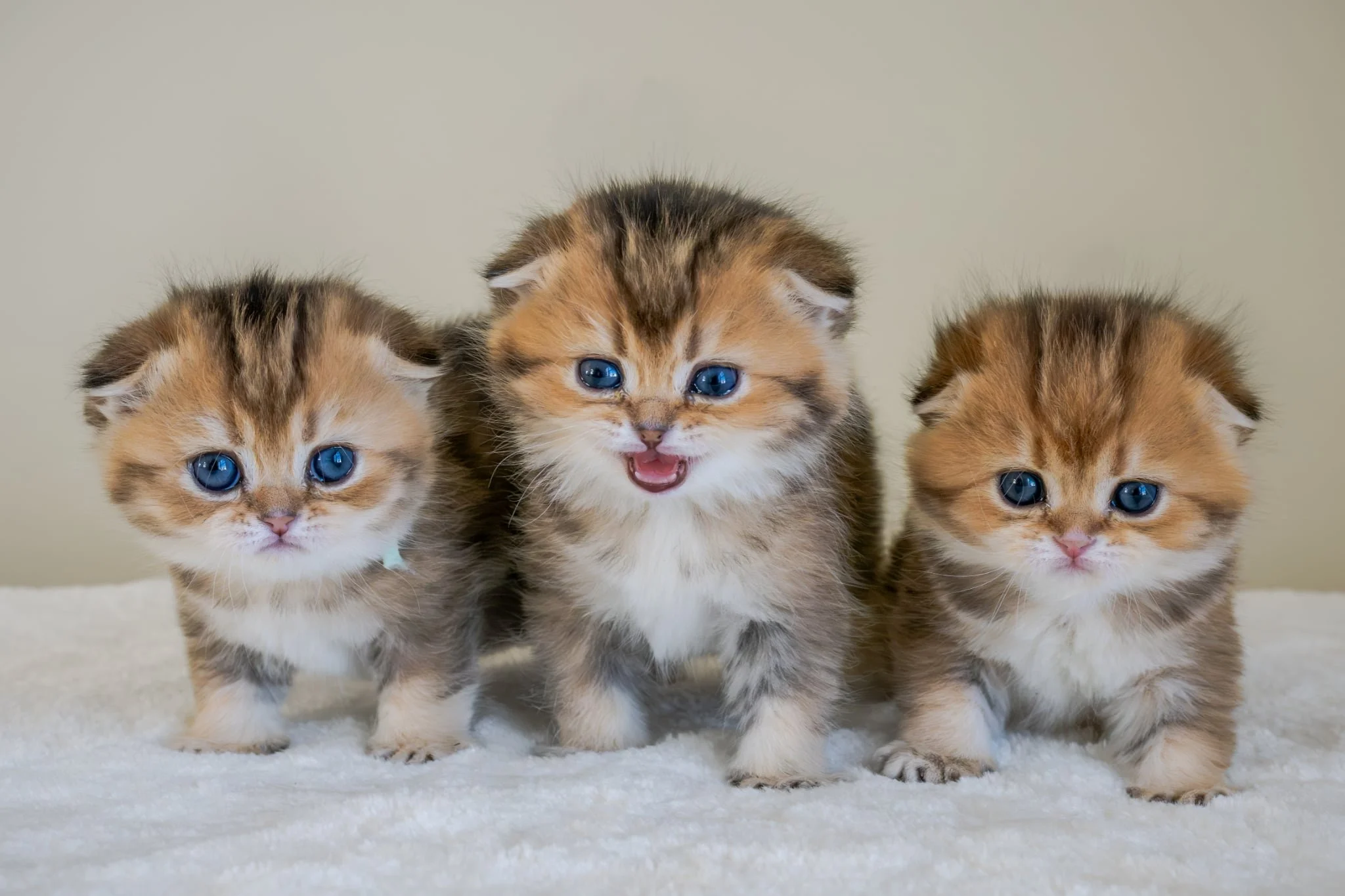
Alongside our Munchkins we raise a small number of Scottish Fold kittens, including Scottish Fold Munchkins — the cross that pairs folded ears with the short legs Munchkins are known for.
They are raised exactly the same way: underfoot rather than in cages, handled daily from birth, and socialised with our other cats. Every kitten leaves us TICA registered, vaccinated and vet-checked, and we stay reachable afterwards for as long as you need us.
Folded ears come from a cartilage mutation, which is why we pair carefully and why the breed asks a little more of an owner: ears want checking regularly, and keeping a cat lean matters more than it does for other breeds, because extra weight loads the joints. We will talk you through all of it before you commit to a kitten rather than afterwards.
Colours & Character
Munchkin Coats, Colours and Temperament
Munchkins come in every colour and pattern the cat fancy recognises, so no two litters look alike. For example, the ones people ask us for most often are calico and tortoiseshell, brown and chocolate tabby, silver tabby, solid black, solid white, blue (a soft blue-grey), cream and red, plus bicolour combinations of any of those. Colourpoint patterns turn up as well. Still, colour has no bearing on temperament or health; ultimately it is just what you like looking at.
Coat Length: Shorthair or Longhair
There are two coat lengths. First, the shorthair has a medium-plush, all-weather coat that needs brushing about once a week. Second, the longhair — what most people mean by a fluffy Munchkin — has a semi-long silky coat, a fuller tail and a light ruff, so it wants brushing two or three times a week to stop it matting behind the ears and under the legs. However, neither coat sheds unusually heavily. In short, the real difference is grooming time.
What Munchkins Are Like to Live With
Temperament is why most people stay with the breed. Munchkins are confident, busy and sociable; in fact TICA describes them as extremely curious and self-assured. They are also magpies in the literal sense, because they carry off small shiny objects and stash them somewhere you will find months later. Although they do well with children, dogs and other cats, they want company rather than merely tolerate it. So a house that sits empty twelve hours a day is not the right house for one.
Fluffy Munchkin Cats: What Are They?
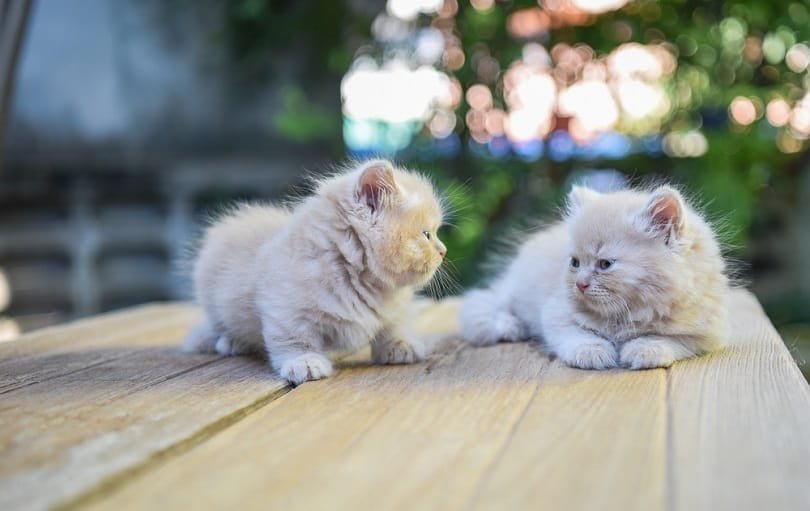
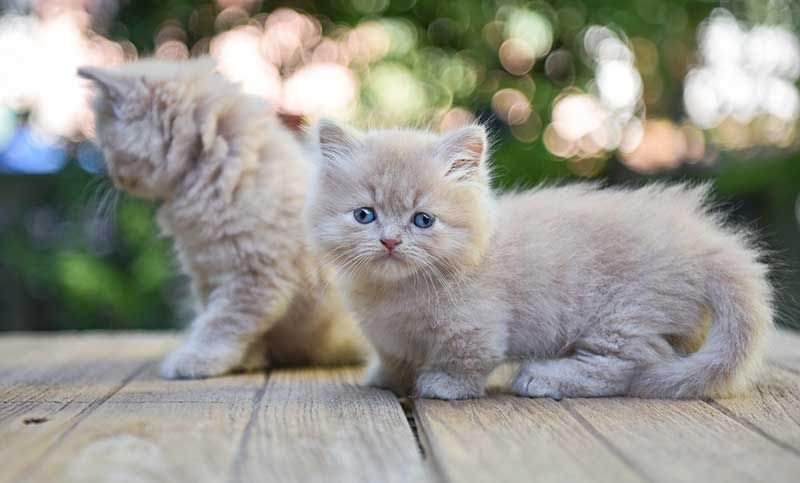
A longhaired Munchkin is simply the same cat under a longer coat, with the same build, temperament and colour range. However, telling them apart as young kittens is not always obvious. Instead, look at the tail and the tufts between the toes, because those fill out first, and then expect the full coat and ruff somewhere between six months and two years. In any case, every kitten we list says which coat it has, so you are never guessing.
Good To Know
FAQs about Munchkin Cats
How much do Munchkin cats cost?
Our kittens currently run $800 to $1,000, and shipping is quoted separately by destination. Across the wider market, however, you will see anywhere from $500 to $3,000. Usually the bottom end means no registration and no health screening, while the top end means established show lines. In any case, the price on each kitten’s page is the price of the kitten, because nothing gets added afterwards except travel.
Are Munchkin cats good with children?
Yes. They are sturdy, sociable and not easily rattled, and TICA specifically notes that they enjoy the company of children, dogs and other pets. Still, as with any cat, show children how to lift one properly. In short, support the body underneath rather than holding it up by the front legs.
Where can I find Munchkin cats for adoption?
Breed rescues and general shelters do occasionally have Munchkins, although not often, because the breed is young and owners tend to keep them. Most people therefore go to a registered breeder. Whoever you buy from, first ask for TICA registration, veterinary records, and photographs of the actual kitten rather than stock images. Above all, speak to the breeder on a call before you send money.
Are Munchkin cats healthy?
Generally yes. According to TICA, a cat’s spine differs structurally from a dog’s, so short legs do not cause the spinal problems seen in short-legged dog breeds, and TICA links no debilitating genes to the breed. That said, the breed is debated. For example, lordosis and pectus excavatum have been reported in Munchkins, although both occur in other cats too, and the CFA, GCCF and FIFe still do not recognise the breed. In practice, what matters is a breeder who pairs short-legged cats only with standard-legged ones and will talk you through the health history.
How long do Munchkin cats typically live?
Twelve to fifteen years is typical with good care, which is in line with other pedigree cats. However, keeping a Munchkin lean matters more than it does for a long-legged cat, because extra weight loads shorter limbs. So measured meals and daily play do more for lifespan than anything you can buy.
Are Munchkin kittens high-maintenance?
No. A shorthair needs a brush once a week, while a longhair needs two or three. Instead of extra grooming time, the adjustment most owners make is physical: a low step or ramp up to the bed, sofa or window sill, and a litter tray with a low entry. They can jump, of course — they just appreciate not having to.
Can Munchkin cats jump and climb like other cats?
Yes, although differently. Because a Munchkin cannot clear the height a long-legged cat manages in one go, they take furniture and stairs in stages. Meanwhile, they are noticeably quick on the flat. For that reason, cat trees with closely spaced platforms work far better than tall ones with wide gaps.
Are Munchkin cats compatible with other pets?
Usually very well. They are confident rather than timid, which is what makes introductions go smoothly, and they tend to read as playmates rather than rivals to cat-friendly dogs. Nevertheless, the normal slow introduction still applies. First separate rooms, then scent swapping, and finally supervised meetings over a week or two.